


Scrap metal is found in many places, from old machinery and construction materials to electrical equipment, vehicles, and manufacturing waste. Instead of sending these materials to landfills, many metals can be recovered, processed, and used to manufacture new products. Understanding what types of scrap metal can be recycled helps businesses and individuals manage waste more responsibly while identifying materials that may have recovery value.
Scrap metal recycling generally involves collecting, sorting, inspecting, and processing metal materials so they can be reused in manufacturing. However, not all metals are handled in the same way. Their composition, condition, contamination level, and market demand can influence how they are processed and where they are sent.
In this guide, we will explore the main types of recyclable scrap metal, explain how the recycling process works, discuss the importance of proper material handling, and look at how ABIEI supports scrap metal recycling and processing.
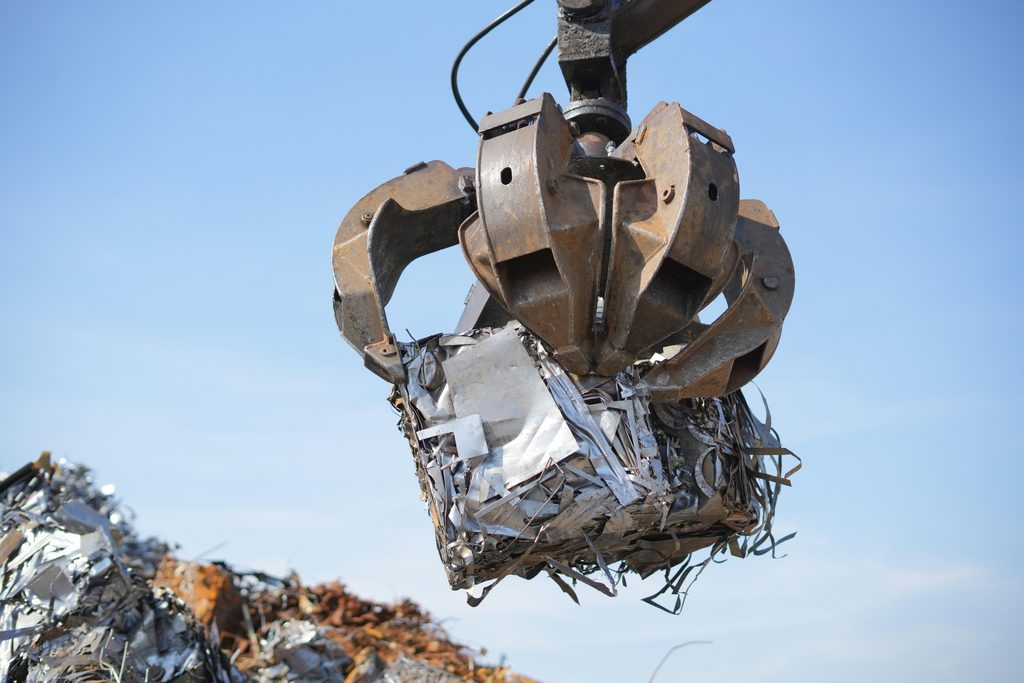
What Types of Scrap Metal Can Be Recycled?
Most recyclable scrap metals fall into two main categories: ferrous metals and non-ferrous metals. Understanding the difference between these categories makes it easier to identify materials and prepare them for recycling.
1. Ferrous Metals
Ferrous metals contain iron and are widely used in construction, manufacturing, transportation, and industrial equipment. Steel and iron are common examples of ferrous scrap.
Because ferrous metals are used in so many products, they are frequently recovered from industrial operations, demolition projects, machinery, and end-of-life vehicles.
Common examples include:
- Steel: Found in structural beams, pipes, machinery, storage tanks, and manufacturing offcuts.
- Iron: Recovered from certain machinery components, cast-iron products, and industrial equipment.
- Stainless steel: Used in industrial equipment, kitchen equipment, processing systems, and other applications. Its composition can vary by grade.
- Cast iron: Found in some engine components, pipes, machine parts, and heavy-duty equipment.
Ferrous scrap can often be separated using magnetic equipment, although magnetism alone does not identify every metal grade accurately. Further inspection may be required to determine its composition and suitability for a particular recycling process.
Businesses that generate large quantities of steel or iron scrap may benefit from separating these materials by type before collection. Proper sorting can simplify handling and help recycling facilities evaluate the material more accurately.
2. Non-Ferrous Metals
Non-ferrous metals contain little or no iron as their main constituent. Many are valued for properties such as conductivity, corrosion resistance, low weight, or specialized industrial performance.
These metals are used in electrical systems, construction, manufacturing, transportation, and numerous commercial applications.
Common recyclable non-ferrous metals include:
- Aluminum: Commonly found in window frames, metal sheets, certain automotive components, industrial offcuts, and selected packaging.
- Copper: Used in electrical wiring, motors, plumbing components, and industrial equipment.
- Brass: An alloy of copper and zinc found in selected fittings, valves, plumbing components, and hardware.
- Bronze: A copper-based alloy used in certain bearings, fittings, and industrial components.
- Lead: Used in certain batteries and specialized applications. It requires appropriate handling because of its toxicity.
- Zinc: Recovered from suitable galvanized materials and certain industrial residues, depending on the recycling process.
- Nickel-containing alloys: Found in some specialized equipment and industrial components. Their recovery depends on composition and grade.
Non-ferrous metals may require more detailed identification because materials that look similar can have different compositions and market values.
For example, copper, brass, and bronze should not automatically be treated as the same material. Separating them correctly helps recyclers assess the metal grade and determine the appropriate processing route.
3. Scrap Metal from Vehicles and Machinery
End-of-life vehicles, manufacturing equipment, and industrial machinery can contain several recyclable metal components.
These may include steel body panels, iron components, aluminum parts, copper wiring, and other metal-bearing materials.
However, a vehicle or machine is not simply a single category of scrap metal. It may also contain fluids, batteries, electronic components, plastics, rubber, and other materials that need separate handling.
Professional inspection and appropriate dismantling help identify reusable components and recyclable metals while managing materials that require special treatment.
Vehicle recycling can therefore involve both metal recovery and the assessment of parts that may be suitable for reuse.
4. Industrial Scrap and Manufacturing Offcuts
Manufacturing and construction operations can generate scrap metal during cutting, machining, fabrication, equipment replacement, and demolition.
Examples include steel offcuts, metal sheets, pipes, metal turnings, and unused metal components.
These materials can be suitable for recycling when their composition and condition meet the requirements of the receiving facility.
Businesses should keep different metal grades separate when practical, prevent unnecessary contamination, and maintain information about the material when available.
For operations that produce scrap regularly, a consistent collection and storage process can make material management more organized.
5. Electronic Equipment Containing Metals
Electronic waste, often called e-waste, can contain copper, aluminum, steel, and other recoverable materials. Examples include computers, circuit boards, communication equipment, and selected electrical devices.
However, electronic equipment should not be treated like ordinary mixed scrap without considering its other components.
Some electronics contain batteries, hazardous substances, or storage devices holding sensitive information. They may require specialized recycling procedures and secure data handling.
Businesses disposing of electronic equipment should use an appropriate recycling provider and follow the applicable environmental and data-protection requirements.
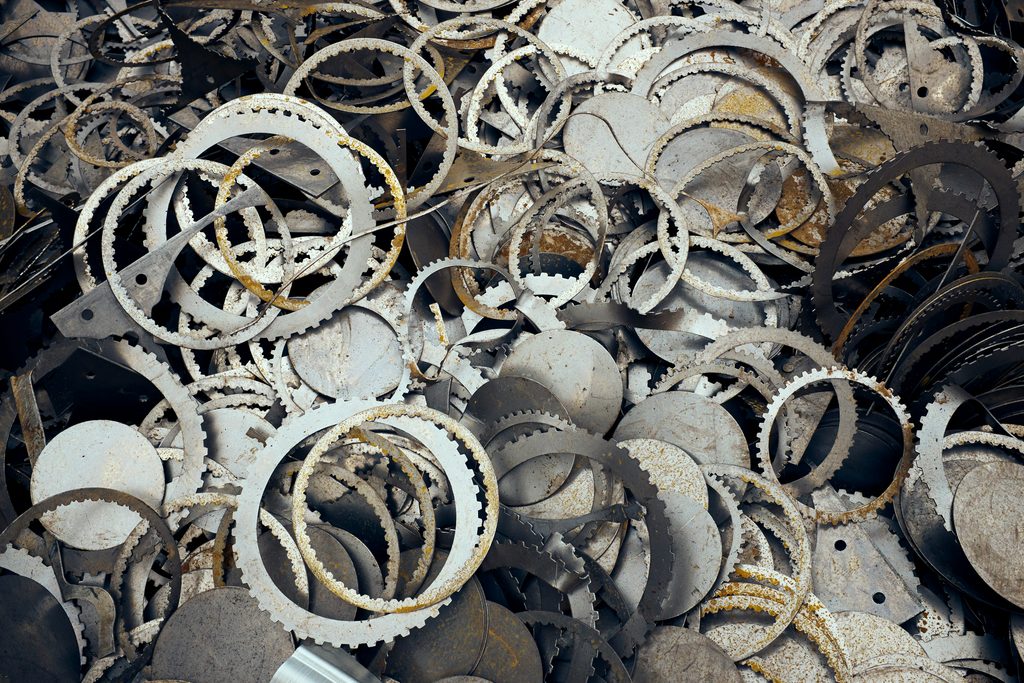
How Does Scrap Metal Recycling Work?
Scrap metal recycling follows several stages. The exact process depends on the material, its condition, the equipment available, and the specifications of the facility receiving it.
Step 1: Collection and Transportation
The process begins when recyclable metal is collected from businesses, construction projects, manufacturing facilities, vehicle recycling operations, or other sources.
Depending on the quantity and material type, collection may involve scheduled pickups, commercial transport, or delivery to a recycling facility.
Before arranging collection, suppliers should explain the type of metal, approximate quantity, location, and any known contamination.
Step 2: Inspection and Weighing
Once the material reaches the appropriate facility, it may be inspected and weighed.
Inspection helps identify the material, assess its condition, and determine whether it contains mixed metals or non-metallic items that need to be separated.
The facility may also check the material’s grade and suitability for its intended processing route.
Accurate weighing and clear grading procedures help establish a transparent basis for evaluating the material.
Step 3: Sorting and Separation
Sorting is an important part of scrap metal recycling because different metals require different processing methods.
Facilities may separate ferrous metals from non-ferrous metals and then sort materials into more specific categories.
Depending on the operation, separation methods may include visual inspection, magnetic separation, mechanical equipment, and specialized material-identification technology.
Removing unsuitable items and separating metal grades can improve the consistency of the recovered material.
Step 4: Cutting, Baling, or Other Processing
Some scrap metal must be prepared before it can be transported or used by a downstream processor.
Depending on the material and facility, preparation may involve cutting, shearing, shredding, baling, or other mechanical processes.
For example, shearing can reduce large metal sections into manageable sizes, while baling compresses suitable metal scrap into denser bundles for handling and transport.
Not every type of scrap needs every processing step. The appropriate method depends on the material and the requirements of the receiving operation.
Step 5: Further Processing and Material Recovery
After preparation, the metal may be sent to a suitable processor, foundry, or manufacturing facility.
Depending on its grade and intended use, it may undergo additional separation, cleaning, or melting before being incorporated into new metal products.
Recycling helps return recovered material to productive use, reducing the need to rely exclusively on newly extracted raw materials.
Why Is Scrap Metal Recycling Important?
Scrap metal recycling provides several potential environmental and operational benefits when materials are collected and processed appropriately.
Conservation of Natural Resources
Recovering metal from existing products allows manufacturers to use secondary materials instead of relying entirely on newly mined resources.
The actual resource savings depend on the metal, its grade, the recycling process, and the production method used.
Reduced Waste
Recovering recyclable metals diverts suitable materials from disposal and returns them to the manufacturing supply chain.
This is particularly relevant for businesses that regularly generate metal offcuts, old equipment, or materials from renovation and demolition projects.
Support for Manufacturing
Recycled metal can serve as a raw material for various manufacturing applications. Proper sorting and processing help produce material that meets the requirements of downstream users.
More Organized Material Management
Businesses that separate scrap at the source can make collection, storage, and inventory management easier.
A consistent process also helps identify recurring waste streams and opportunities to improve material recovery.
Recycling is not automatically impact-free. Transportation, energy use, contamination, and unsuitable processing can affect its overall environmental performance. Responsible management considers the entire material recovery process rather than recycling alone.
Recycling helps conserve natural resources and reduce the amount of waste sent to landfills. The U.S. Environmental Protection Agency explains the basics of recycling, including how materials can be collected and processed for reuse.
What Scrap Metal Recycling Services Does ABIEI Provide?
Businesses that generate scrap metal may need more than a place to deliver unwanted materials. Depending on their operations, they may require collection, material assessment, processing, and support with the movement of recovered materials.
ABIEI describes its services as covering scrap metal recycling, ferrous metal handling, industrial material processing, and related recycling solutions.
Its published Services page also describes processing capabilities involving baling and shearing technology for suitable industrial scrap.
For businesses considering a recycling provider, it is important to confirm which services are available for their specific material, location, and quantity.
Scrap Metal Recycling and Processing
Scrap metal recycling involves recovering suitable metal materials and preparing them for further use.
The appropriate processing route depends on the type of metal, its grade, its condition, and the requirements of the receiving facility.
Businesses can contact ABIEI to discuss their scrap metal requirements and determine which available services are relevant to their materials.
Ferrous Metal Handling
Steel and iron scrap can arise from manufacturing, construction, machinery, and other industrial activities.
Handling these materials effectively may involve identifying the grade, separating unsuitable items, and preparing the scrap for transportation or further processing.
ABIEI lists ferrous metal handling among its services. Businesses with bulk steel or iron scrap should confirm material acceptance, collection arrangements, and processing requirements directly with the company.
Industrial Material Processing
Industrial scrap can vary considerably in size, composition, and condition.
Depending on the material and the facility’s capabilities, preparation may include cutting, shearing, baling, or other processes that make scrap easier to handle and transport.
ABIEI describes large-scale processing capabilities that include baling and shearing technology. The specific equipment and services available for an individual project should be confirmed before arrangements are made.
Related Recycling and Recovery Services
Some businesses also generate electronic waste or have end-of-life vehicles and automotive components that need separate management.
ABIEI lists e-waste recycling, junk car pickup, and parts distribution among its broader service offerings. These services address different material streams, so requirements should be discussed with the appropriate team rather than assuming every material follows the same recycling process.
Businesses looking for more information can explore ABIEI’s services and contact the company to discuss their requirements.
How to Prepare Scrap Metal for Recycling
A few practical steps can help businesses and individuals organize recyclable metal before arranging collection or delivery.
Identify the material. Record what type of metal is available, where it came from, and whether its grade is known. If uncertain, ask the recycling facility how the material should be described.
Keep different metals separate. Where practical, separate steel and iron from aluminum, copper, brass, and other non-ferrous metals. Avoid mixing different grades unnecessarily.
Remove non-metallic contamination where appropriate. Excessive dirt, plastic, rubber, and other unwanted materials can affect acceptance and processing. Do not dismantle equipment or remove components unless it is safe and appropriate to do so.
Handle batteries and electronic equipment separately. These materials may require specialized procedures. Do not place them into ordinary mixed scrap loads without checking the facility’s requirements.
Ask about collection and acceptance rules. Before arranging transport, confirm accepted materials, minimum quantities, collection options, required documentation, and any preparation instructions.
These steps can help avoid unnecessary delays and make it easier for the recycling provider to assess the material.
Frequently Asked Questions About Scrap Metal Recycling
What types of scrap metal can be recycled?
Common recyclable scrap metals include steel, iron, aluminum, copper, brass, bronze, zinc, and certain nickel-containing alloys. Acceptance depends on the material’s composition, condition, contamination, and the recycling facility’s capabilities.
What is the difference between ferrous and non-ferrous metals?
Ferrous metals contain iron as a principal component and include steel and many types of iron. Non-ferrous metals include aluminum, copper, brass, and zinc. The categories matter because identification, sorting, and processing requirements can differ.
How does scrap metal recycling work?
The process typically includes collection, inspection, weighing, sorting, preparation, and further processing. Depending on the material, it may be cut, sheared, shredded, or baled before being sent to a suitable processor or manufacturer.
Can rusty scrap metal be recycled?
Rust does not automatically make iron or steel scrap unsuitable for recycling. However, the material’s condition, contamination, composition, and the receiving facility’s requirements determine whether it can be accepted and how it will be processed.
What affects the value of scrap metal?
Value can depend on metal type, grade, purity, quantity, contamination, preparation requirements, transportation costs, and current market conditions. A recycling provider can explain the factors relevant to a particular load.
Does ABIEI provide scrap metal recycling services?
ABIEI lists scrap metal recycling, ferrous metal handling, and industrial processing among its services. Availability, accepted materials, collection arrangements, and project requirements should be confirmed directly with the company.
Recycle Scrap Metal with ABIEI
Understanding what types of scrap metal can be recycled is an important first step toward better material management. From steel and iron to aluminum, copper, and selected industrial alloys, many metal materials can be recovered when they are properly identified, sorted, and processed.
For businesses generating scrap regularly, a consistent recycling approach can help organize material handling and connect suitable recovered metals with downstream uses.
ABIEI provides recycling and processing services for businesses seeking support with scrap metal and related material recovery needs. If you have industrial metal scrap or want to understand which services may suit your requirements, contact the ABIEI team to discuss the material type, quantity, location, and collection options.
Ready to discuss your scrap metal requirements? Visit the ABIEI Services page to explore the available services or contact ABIEI to ask about your specific needs.