


Scrap metal prices change with market demand, material quality, processing requirements, and local conditions. Whether you manage an industrial facility, operate a construction business, or have recyclable metal to sell, understanding how scrap metal pricing works can help you make more informed decisions.
If you are searching for a current scrap metal prices chart, it is important to understand that there is no single price that applies to every type of scrap metal. Copper, aluminum, steel, brass, and other materials have different market values, and the price offered for scrap can vary depending on its grade, condition, quantity, and location.
At ABIEI, scrap metal recycling and processing are part of a broader network of material recovery and industrial services. This guide explains the factors that influence scrap metal prices, how different metals are evaluated, and what to consider when requesting a recycling quote.
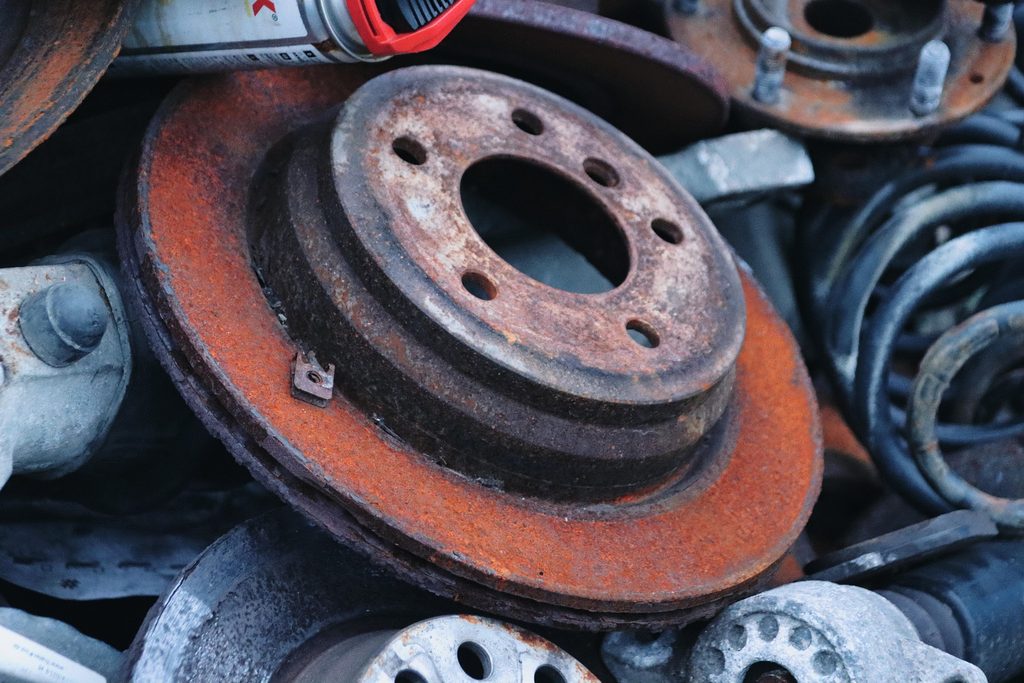
What Are Current Scrap Metal Prices?
Current scrap metal prices refer to the market value offered for recyclable metal materials at a particular time. These values can change as industrial demand, available supply, transportation expenses, and processing costs fluctuate.
The price of scrap metal is not always the same as the market price of newly produced metal. Scrap materials may require sorting, cleaning, grading, transportation, and additional processing before they can be reused in manufacturing.
For this reason, a scrap metal buyer generally evaluates the material itself rather than relying on a single published market figure.
When comparing scrap metal prices today, consider the material type, its quality, the quantity available, and the location where it will be collected or delivered.
Factors That Affect Metal Values
The following chart summarizes the main factors to consider when researching current scrap metal prices. It is a pricing guide, not a live price list or a guarantee of the amount a buyer will offer.
| Pricing factor | How it affects scrap metal value |
|---|---|
| Metal type | Copper, aluminum, steel, brass, and other metals have different market values. |
| Material grade | Higher-purity materials may receive different offers than mixed or lower-grade scrap. |
| Cleanliness and contamination | Dirt, coatings, attachments, and mixed materials may increase processing requirements. |
| Quantity and volume | Larger shipments may qualify for different commercial terms, depending on the buyer. |
| Market demand | Changes in industrial demand can affect the value of recyclable materials. |
| Location and transportation | Freight, collection distance, and local market conditions can affect the final offer. |
| Processing requirements | Sorting, preparation, and handling costs can influence the price offered. |
The actual amount payable depends on the material inspection, the buyer’s pricing policy, and the market conditions at the time of the transaction.
Scrap Metal Prices by Type of Metal
Different metals have different uses, recovery processes, and market conditions. Understanding these differences can help sellers identify the materials they have before requesting a quote.
1. Copper Scrap Prices
Copper is widely used in electrical wiring, plumbing systems, motors, and industrial equipment. Its demand across electrical infrastructure and manufacturing makes it an important material in the scrap recycling market.
However, not all copper scrap receives the same offer. Clean copper, insulated wire, mixed copper materials, and components containing other metals may be evaluated differently.
When researching copper scrap prices, identify the material type, estimate the quantity, and check whether insulation or other materials need to be separated.
2. Aluminum Scrap Prices
Aluminum is used in transportation, construction, packaging, manufacturing, and numerous commercial products. Recovered aluminum can be processed for reuse in a range of applications.
Scrap aluminum may include clean production offcuts, beverage cans, vehicle components, extrusions, and mixed aluminum materials.
The value depends on the grade, alloy composition, cleanliness, and preparation required. Separating identifiable aluminum materials from unrelated scrap can make the evaluation process more straightforward.
3. Steel and Iron Scrap Prices
Steel and iron are common in industrial machinery, construction materials, structural components, and vehicles. These materials can be recovered and processed for reuse in metal production.
Steel scrap prices may differ according to material grade, thickness, dimensions, contamination, and the volume available.
Large commercial and industrial shipments may also involve different transportation and processing arrangements from smaller quantities of household or workshop scrap.
4. Brass Scrap Prices
Brass is an alloy made primarily from copper and zinc. It can be found in plumbing fittings, valves, hardware, and various industrial components.
Brass scrap should be distinguished from other copper-bearing materials where practical because alloy composition affects how the material is evaluated.
Mixed components, attachments, and contamination may also influence the final offer.
5. Stainless Steel and Other Metal Scrap
Stainless steel contains chromium and may contain other alloying elements. Different stainless steel grades have different compositions and applications, so material identification can be important during evaluation.
Other recyclable metals and specialized alloys may also require additional identification or testing before a buyer can determine their value.
For mixed or unidentified materials, a recycling facility may need to inspect the scrap before providing a reliable quote.
Why Do Scrap Metal Prices Change?
Scrap metal prices can move over time because the recycling industry is connected to wider commodity markets and manufacturing activity.
Supply and Demand
When manufacturers require more recycled metal, demand for suitable scrap may increase. When supply exceeds demand, buyers may adjust their offers.
Global Commodity Markets
International metal markets influence the broader value of materials such as copper and aluminum. However, published commodity prices are not identical to the prices paid for scrap.
Manufacturing and Construction Activity
Demand from construction, automotive production, infrastructure projects, and manufacturing can affect the need for recovered metals.
Transportation and Processing Costs
Collection, fuel, freight, sorting, labor, and equipment expenses can affect what a buyer can offer for a particular shipment.
Local Market Conditions
Prices can differ by region because of available recycling facilities, transportation routes, competing buyers, and local demand.
These factors explain why an online scrap metal prices chart should be treated as a reference rather than a guaranteed quote.
How to Check Current Scrap Metal Prices Today
If you want to understand the current value of your scrap, use a consistent process to compare available information.
Step 1: Identify the metal. Determine whether the material is copper, aluminum, steel, brass, stainless steel, or another metal.
Step 2: Check the grade and condition. Note whether the material is clean, mixed, coated, insulated, or attached to other components.
Step 3: Estimate the quantity. Buyers may evaluate small loads differently from larger commercial or industrial shipments.
Step 4: Review market references. Commodity market information can help explain broader price movements, but it should not be treated as the exact scrap purchase price.
Step 5: Request a current quote. Ask the recycling provider how the material will be graded, weighed, and priced.
Step 6: Compare the complete offer. Consider transportation, pickup arrangements, processing deductions, payment terms, and other applicable charges rather than comparing the headline price alone.
For commercial and industrial sellers, keeping records of material type, shipment weight, and previous quotes can also help with purchasing and recycling decisions.
How to Get an Accurate Scrap Metal Quote
An accurate quote requires more than identifying the metal. The buyer may need information about the material’s grade, condition, quantity, location, and collection requirements.
Before contacting a recycling provider, prepare the following details:
- The type of metal available.
- An estimated weight or shipment volume.
- The condition and grade, if known.
- Whether the materials are separated or mixed.
- The pickup location or delivery arrangements.
- Any special handling or processing requirements.
Clear information can help the provider assess the material and explain the terms of the offer.
Businesses with recurring scrap production may also benefit from discussing collection schedules and arrangements for larger quantities.
Scrap Metal Recycling Solutions for Businesses
Businesses that generate scrap metal regularly may need a recycling partner that can accommodate their material types, volumes, and operational requirements.
ABIEI brings together specialized companies covering scrap metal processing, ferrous and non-ferrous materials, auto salvage, parts distribution, and related recovery operations.
Its recycling services support the handling and processing of materials from commercial and industrial activities. The appropriate solution depends on the material, quantity, location, and service requirements.
To learn more about the company’s capabilities, visit the ABIEI Services page.
Businesses seeking a quote can also contact ABIEI to discuss their materials and requirements.
Why Scrap Metal Recycling Matters
Scrap metal recycling helps recover materials that can be processed for use in new products and manufacturing.
According to the U.S. Environmental Protection Agency’s recycling guidance, recycling can help conserve natural resources and divert suitable materials from disposal.
Responsible recycling also supports material recovery throughout the supply chain. The results depend on the type of material, collection practices, processing methods, and its eventual use.
For businesses, an organized recycling process can improve material handling, make scrap streams easier to evaluate, and help establish more consistent relationships with recycling providers.
Frequently Asked Questions About Scrap Metal Prices
What is the current price of scrap metal?
There is no single price for all scrap metal. The amount offered depends on the metal type, grade, condition, quantity, location, and market conditions at the time of sale. Contact a buyer for a current quote based on your specific material.
Where can I find a current scrap metal prices chart?
You can use a scrap metal prices chart to understand the factors that influence metal values and compare available market references. Always check the source, date, location, currency, and unit of measurement before relying on a quoted figure.
Why do scrap metal prices vary by location?
Prices can differ because of local demand, the number of available buyers, transportation costs, processing facilities, and regional market conditions.
Do copper and aluminum have the same scrap value?
No. Copper and aluminum have different material properties, market demand, and processing requirements. Their values also vary according to grade and condition.
Does clean scrap metal receive a different offer from mixed scrap?
It can. Clean, properly identified materials may require less sorting and processing than mixed or contaminated scrap. The actual difference depends on the buyer’s grading system and current market conditions.
How can businesses get a scrap metal quote?
Businesses should identify the metal types, estimate the quantities, describe the material condition, and provide the collection or delivery location. A recycling provider can then explain its inspection process and quote terms.
Are online metal market prices the same as scrap metal prices?
No. Published commodity prices generally refer to standardized market instruments or specified grades of metal. Scrap purchase offers account for additional factors such as material quality, processing, transportation, and local demand.
Final Thoughts
Understanding current scrap metal prices starts with recognizing that metal type, grade, condition, quantity, and market demand all influence the final offer. A current scrap metal prices chart can provide useful context, but an accurate quote should always reflect the actual material and transaction terms.
Whether you are managing industrial scrap, recyclable metals, or materials recovered through automotive operations, a clear evaluation process can help you make better-informed recycling decisions.
Explore ABIEI’s recycling and auto solutions or contact the team to discuss your material recovery requirements.