


Electronic devices have become an essential part of everyday life. Computers, smartphones, televisions, printers, and other electronic equipment help people communicate, work, and manage daily activities. But what happens when these devices stop working, become outdated, or are no longer needed?
Many end up stored in offices, warehouses, homes, or eventually thrown away. These discarded electronic products are commonly known as electronic waste, or e-waste.
As technology continues to develop, the amount of unwanted electronic equipment also increases. Proper e-waste recycling helps recover valuable materials, supports responsible waste management, and reduces the environmental risks associated with improper disposal.
In this guide, we explain what e-waste is, what items are considered electronic waste, how e-waste recycling works, and why choosing a responsible recycling service matters.
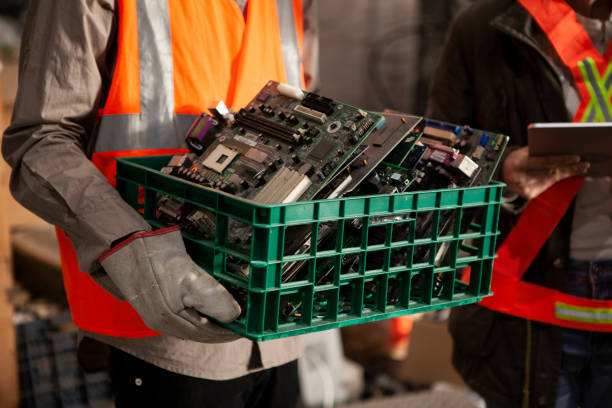
What Is E-Waste?
E-waste, also called electronic waste or electronic scrap, refers to discarded electrical and electronic equipment that has reached the end of its useful life or is no longer wanted.
These products may be broken, outdated, damaged, or replaced by newer technology. Instead of treating every unwanted electronic device as ordinary garbage, many can be collected, reused, refurbished, or processed to recover valuable materials.
Common examples of e-waste include:
- Desktop computers and laptops
- Smartphones and mobile phones
- Televisions and computer monitors
- Printers, scanners, and office equipment
- Keyboards, mice, and other computer accessories
- Circuit boards and electronic components
- Networking and telecommunications equipment
- Servers and data center equipment
- Selected electrical equipment and accessories
E-waste can come from households, offices, educational institutions, manufacturers, healthcare facilities, and other commercial operations.
The Environmental Protection Agency (EPA) explains that used electronics can contain materials that have value for reuse and recycling. Recovering these materials helps reduce the amount of usable resources lost through improper disposal.
For more information, visit the EPA’s guide to electronic waste.
What Is Considered E-Waste?
Not every discarded item belongs in the same recycling category. E-waste generally includes products that depend on electrical power or electronic components to perform their functions.
Here are some common categories.
1. Computers and IT Equipment
Businesses and individuals frequently replace computers and related equipment as technology changes.
Examples include:
- Desktop computers
- Laptops and notebooks
- Computer monitors
- Servers and storage equipment
- Keyboards and computer accessories
These products may contain recoverable metals, plastics, glass, and electronic components.
2. Mobile Devices and Communication Equipment
Mobile technology creates another significant category of electronic waste.
Examples include:
- Smartphones
- Mobile phones
- Tablets
- Routers and modems
- Networking equipment
- Communication devices
Before recycling devices containing personal information, users should protect their data and confirm the recycler’s data-handling procedures.
3. Office and Commercial Electronics
Offices regularly replace electronic equipment as their operational needs change.
Examples include:
- Printers and photocopiers
- Scanners
- Telephone systems
- Electronic office equipment
- Point-of-sale systems
Businesses may generate large quantities of unwanted equipment during office upgrades, relocations, and technology replacements.
4. Consumer Electronics
Electronic products used in homes can also become e-waste.
Examples include:
- Televisions
- Audio equipment
- Digital cameras
- Gaming consoles
- Electronic accessories
Different products require different handling and recycling processes depending on their components.
Why Is E-Waste Recycling Important?
Electronic devices contain a combination of reusable materials and substances that require appropriate handling.
When unwanted electronics are dumped, improperly dismantled, or handled through unsafe recycling practices, certain materials can enter the surrounding environment.
According to the World Health Organization, unsafe e-waste management can expose people and the environment to hazardous substances.
Here are some important reasons to recycle electronic waste responsibly.
1. Recover Valuable Materials
Electronic devices contain materials such as copper, aluminum, steel, and other metals that may be recovered through appropriate recycling processes.
Recovering these resources helps return useful materials to manufacturing and reduces the need to extract additional raw materials.
2. Reduce Landfill Waste
Many electronic products contain reusable components and recyclable materials.
Sending suitable electronics to responsible recycling facilities helps divert recoverable materials from disposal.
3. Support Responsible Environmental Management
Some electronic products contain substances such as lead and mercury.
Proper collection and processing help reduce the risk of these materials being released through inappropriate disposal or handling.
4. Encourage Resource Efficiency
Recycling allows valuable materials to remain in circulation rather than being discarded after a product reaches the end of its useful life.
This supports more efficient resource use and responsible material management.
How Is E-Waste Recycled?
E-waste recycling involves several stages. The exact process depends on the type of electronic equipment, its condition, and the recycling facility’s capabilities.
Here is a general overview of how electronic waste is processed.
Step 1: Collection and Transportation
Unwanted electronic equipment is collected from households, businesses, institutions, or designated collection points.
The equipment is then transported to an appropriate facility for inspection and processing.
Step 2: Inspection and Sorting
Collected electronics are examined and categorized according to their type, condition, and potential for reuse or recycling.
Equipment that remains functional may be suitable for reuse or refurbishment, depending on its condition and applicable requirements.
Step 3: Data Security and Preparation
Electronic devices such as computers, laptops, and smartphones may contain confidential information.
Before equipment is recycled, appropriate data-handling procedures should be followed.
Businesses should confirm whether their recycling provider offers documented data destruction and secure handling services.
Step 4: Component Separation
Equipment selected for recycling is processed to separate different components and material categories.
Depending on the product, these may include:
- Metal components
- Plastic housings
- Glass
- Circuit boards
- Cables and wiring
- Other electronic materials
Step 5: Material Recovery
Separated materials are directed toward appropriate recovery and recycling processes.
Recoverable metals and other materials can enter secondary material markets and be used in manufacturing, depending on their quality and processing requirements.
Step 6: Responsible Disposal
Components that cannot be reused or recovered through available recycling processes require appropriate handling and disposal.
A responsible recycling operation should follow applicable environmental and waste-management requirements throughout the process.
How to Recycle E-Waste Responsibly
If you have unwanted electronic equipment, choosing the right recycling option is important.
Whether you are an individual replacing an old computer or a business upgrading its entire IT infrastructure, consider these steps.
Identify your electronic waste: Make a list of the devices you want to recycle. Separate computers, monitors, phones, printers, and other electronic equipment.
Check the condition of your equipment: Some electronics may still be suitable for reuse, donation, or refurbishment instead of immediate recycling.
Protect your personal information: Back up important files, sign out of accounts, remove personal storage cards where applicable, and use the manufacturer’s recommended data-reset process. For business equipment, confirm documented data destruction procedures with your recycling provider.
Choose a responsible recycler: Ask about the company’s processing methods, downstream recycling partners, environmental practices, and data security procedures.
Confirm accepted materials: Not every recycling facility accepts every type of electronic equipment. Contact the provider before arranging delivery or collection.
Understand collection arrangements: Ask whether the recycler offers drop-off, scheduled collection, or commercial pickup services for your equipment.
E-Waste Recycling for Businesses
Businesses often generate more electronic waste than individual households, especially when replacing IT infrastructure or upgrading office equipment.
Computers, monitors, servers, networking devices, printers, and other electronic assets can accumulate during regular operations.
For businesses, electronic waste management involves more than simply getting rid of outdated equipment.
Important considerations include:
Secure Data Handling
Business electronics may contain customer information, employee records, financial data, and confidential company files.
Before sending equipment for recycling, organizations should establish appropriate data security and destruction procedures.
Equipment Inventory
Maintaining an inventory of discarded electronic equipment helps businesses identify what needs to be reused, recycled, or otherwise managed.
Responsible Recycling Partners
Businesses should work with recycling providers that can explain their processing procedures, downstream material destinations, and applicable environmental practices.
Bulk Equipment Management
Organizations replacing large quantities of electronics may need coordinated collection, transportation, inspection, and recycling arrangements.
A suitable recycling partner can help businesses manage these requirements more efficiently.
Where Can You Find E-Waste Recycling Near Me in Florida?
If you are searching for e-waste recycling near me or e-waste disposal in Florida, start by identifying recycling providers that handle your particular type of electronic equipment.
Before choosing a provider, consider:
- The types of electronics accepted
- Whether residential and commercial equipment is accepted
- Available collection or drop-off arrangements
- Data security and destruction procedures
- Environmental handling and material recovery practices
- Documentation provided after recycling
The Florida Department of Environmental Protection recommends recycling unwanted electronic products such as televisions, computers, and cell phones.
You can explore its official Electronics Waste guidance for additional information.
For businesses and organizations, choosing an appropriate electronics recycling provider is especially important because equipment may contain sensitive company information and materials requiring specialized handling.
ABIEI provides e-waste recycling solutions with a focus on secure handling, data safety, and environmentally responsible processing.
Visit ABIEI’s recycling services to learn more about its e-waste capabilities.
Why Choose ABIEI for E-Waste Recycling?
Managing electronic waste requires attention to material recovery, secure handling, and responsible processing.
ABIEI provides recycling solutions designed to support different material management requirements, including electronic waste.
Its e-waste service focuses on:
- Secure Electronic Handling: Responsible handling of electronic equipment and materials.
- Data Safety: Attention to data security during electronic equipment management.
- Responsible Processing: Environmentally conscious approaches to electronic waste management.
- Material Recovery: Supporting the recovery of reusable materials from discarded electronics.
- Business Requirements: Solutions designed to support organizations managing unwanted electronic equipment.
Whether your organization is replacing outdated IT equipment or reviewing its electronic waste management practices, ABIEI can help you explore suitable recycling solutions.
Learn more about ABIEI’s e-waste recycling services or contact our team to discuss your requirements.
Frequently Asked Questions About E-Waste
What does e-waste mean?
E-waste means electronic waste. It includes unwanted or discarded electrical and electronic products such as computers, smartphones, televisions, printers, and other electronic equipment.
What are five examples of e-waste?
Five common examples are computers, mobile phones, televisions, printers, and tablets. Other examples include servers, monitors, networking equipment, and circuit boards.
Why should e-waste be recycled?
E-waste recycling helps recover valuable materials, reduce landfill waste, conserve resources, and prevent the improper release of potentially hazardous substances.
How is e-waste recycled?
E-waste generally goes through collection, inspection, sorting, preparation, component separation, material recovery, and appropriate disposal of materials that cannot be recovered.
Where can I recycle e-waste near me?
You can search for electronics recycling providers and local collection programs in your area. In Florida, the Department of Environmental Protection provides guidance on responsible electronics recycling.
Can businesses recycle old computers and office equipment?
Yes. Businesses can arrange appropriate recycling for computers, monitors, servers, printers, and other unwanted electronic equipment. They should also consider data security and documented handling procedures.
Is e-waste hazardous?
Some electronic products contain substances that can be harmful if improperly handled or disposed of. Responsible recycling helps manage these materials appropriately.
What should I do before recycling an old computer?
Back up important information, sign out of accounts, remove personal storage media where applicable, and follow appropriate data-erasure procedures. Businesses should confirm secure data destruction with their recycling provider.
Choose Responsible E-Waste Recycling with ABIEI
Electronic waste is becoming an increasingly important part of modern waste management. As households and businesses continue to upgrade their technology, responsible recycling helps recover valuable resources and manage unwanted electronics more effectively.
Choosing an appropriate recycling partner makes a difference in how electronic equipment is collected, handled, and processed.
ABIEI supports responsible recycling solutions, including electronic waste management, secure handling, and material recovery.
Have electronic equipment that needs responsible recycling?
Contact ABIEI to discuss your e-waste recycling requirements and explore available solutions.